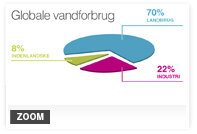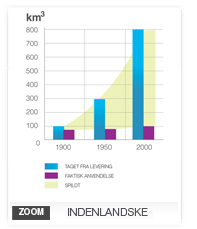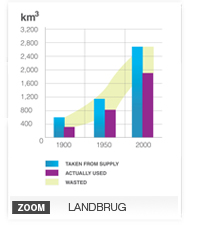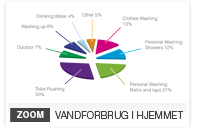

Global Water There is talk of a global water crisis and indeed, in many countries clean, fresh water is scarce. However, it is now acknowledged by global authorities that “…the scarcity at the heart of the global water crisis is rooted in power, poverty and inequality, not in physical availability.” The mismanagement of water is not restricted to the developing world - 85% of the world’s fresh water is consumed by 12% of the population and those 12% reside in developed countries. People in rich countries use on average 10 times more water than those in poor countries and an overwhelming proportion of that water is simply wasted. The world cannot increase its supply of fresh water, what we can do is change the way we use it. In the UK the average person currently uses about 150 litres per day. This consumption has been rising by about 1% a year since 1930 and at current trends this is not sustainable. Especially when you take into account that the UK has less available water per capita than most European cities, that London has less water available than Istanbul and South East England less than Sudan.
The potential for water and money savings with ecoBETA is enourmous. |
|